everything you need to know about New York City Marriage Counseling
Improve Your Partnership: Ways Couples Therapy Can Help You Flourish
Relationship counseling creates a dedicated space for individuals in relationships to understand the complexities of their partnership. It addresses issues like communication barriers and trust deficits. Numerous partners encounter difficulties that appear impossible to overcome. Nevertheless, expert counseling can open doors to transformation. Learning about the methods used in these sessions can uncover fresh opportunities for deeper connection. As individuals address their distinct relationship difficulties, the potential for growth becomes evident. What new insights could they uncover about one another?
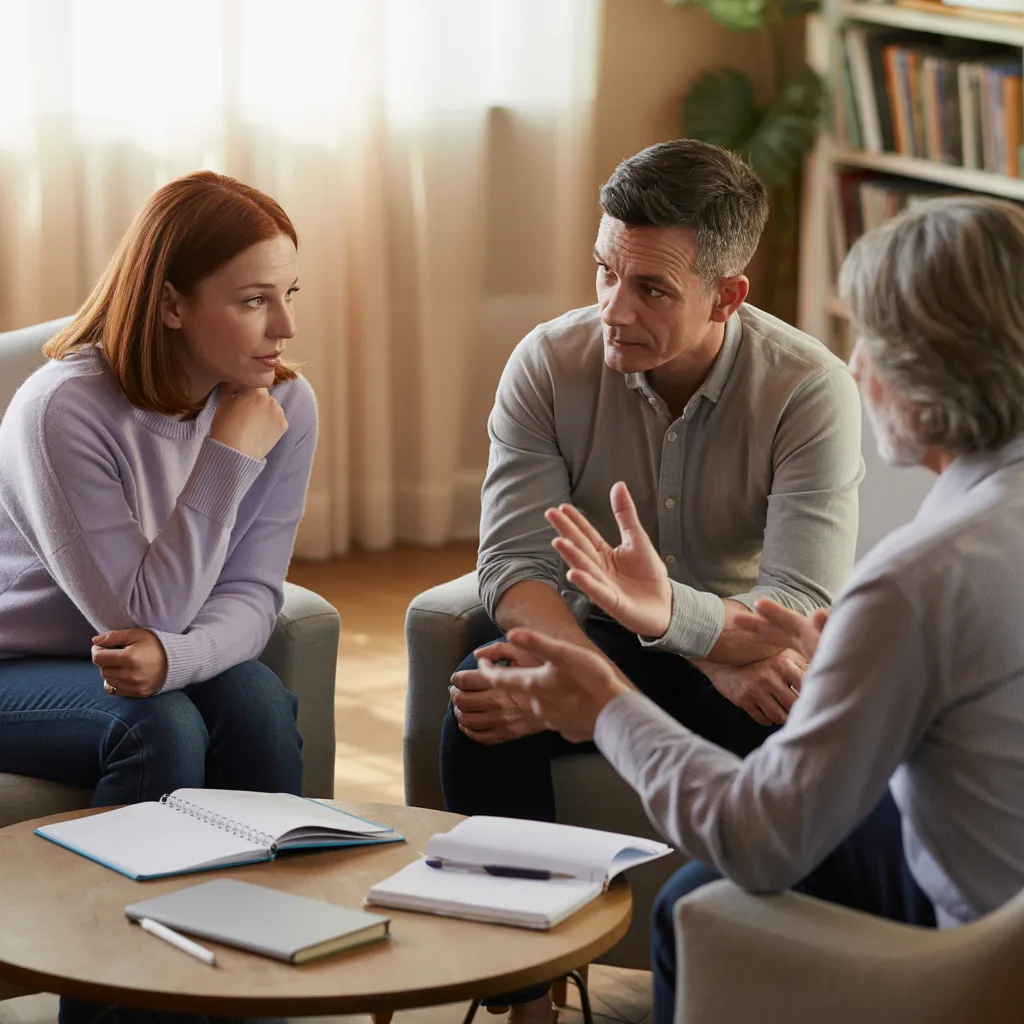
Understanding Couples Counseling: What You Need to Know
What elements are responsible for the success of couples counseling functions? Several key factors are essential to the success of this counseling process. For starters, the qualifications and knowledge of the counselor can substantially affect outcomes. A skilled therapist establishes a secure space, promoting open communication and trust between partners. Second, the readiness of both people to participate in the process is essential; resolve to improve and personal growth accelerates progress. Moreover, the specificity of aims set at the outset of counseling can guide sessions and measure success over time. Beyond that, active participation in activities and conversations allows couples to understand their interactions and establish better behaviors. Finally, the moment couples pursue support can impact effectiveness; addressing issues early often leads to more positive outcomes. Recognizing these elements gives couples the insight needed to fully leverage counseling, and ultimately improving their relationship.
Acknowledging Common Relationship Issues
Couples often face a range of common struggles that test their connection. These difficulties can manifest in various forms, including communication breakdowns, conflicting values, and lingering disputes. Trust-related concerns affect numerous couples, rooted in prior experiences or expectations that go unmet. Furthermore, monetary pressures frequently create tension, causing disputes regarding how money is spent and saved.
A recurring difficulty is managing the balance between individual desires and partnership expectations, which can lead to feelings of bitterness or being overlooked. Major life transitions, such as welcoming children or navigating professional transitions, may further complicate dynamics, requiring couples to adapt continuously.
Recognizing these typical struggles is the primary step toward tackling them efficiently. By acknowledging obstacles, couples can collaborate to establish approaches, strengthening their emotional bond and stability in the relationship. This understanding is essential for fostering a stronger, more fulfilling bond.
The Way Communication Influences Couples Counseling Results
Strong communication holds a key position in the overall outcome of couples counseling. Methods including active listening, articulating feelings openly, and addressing disagreements productively can significantly impact relationship dynamics. Understanding these methods helps couples address their concerns with greater confidence, fostering healthier interactions.
Effective Active Listening Methods
Active listening functions as a fundamental pillar in relationship counseling, fostering deeper understanding and connection between partners. This technique involves completely engaging with a partner's copyright, in both verbal and non-verbal ways. Counselors frequently encourage couples to maintain eye contact, nod affirmatively, and resist the urge to interrupt. Reflecting back what has been said can also bring clarity to intentions and feelings, allowing for a more nuanced dialogue. Furthermore, highlighting key points reflects attentiveness and affirms the speaker's emotions. Through practicing these methods, couples can decrease misunderstandings and cultivate empathy, ultimately enhancing their emotional bond. Active listening transforms communication, empowering partners to manage conflicts more effectively and establish a nurturing environment for growth and healing in their relationship.
Conveying Emotions Efficiently
Articulating emotions with clarity plays a crucial role in influencing the results of couples counseling. When partners express their emotions openly, it fosters understanding and empathy, allowing both individuals to engage on a profound level. This clarity strengthens the counseling journey, enabling the counselor to recognize deep-rooted concerns and behaviors. Additionally, voicing feelings works to break down barriers that may have formed over time, creating a secure environment for openness. By developing strong emotional communication skills, couples learn to articulate their requirements and aspirations without turning to criticism or self-protection. As a result, this practice not only elevates the quality of sessions but also equips partners with valuable communication skills that can strengthen their relationship beyond therapy sessions.
Resolving Conflicts Constructively
Open communication not only aids in the expression of emotions but also holds an important place in resolving disagreements constructively. During couples counseling, productive dialogue empowers partners to voice their needs and frustrations without intensifying conflict. Through the use of active listening strategies, couples are able to gain a deeper understanding of each other's viewpoints, nurturing empathy and minimizing misunderstandings. Therapists frequently encourage couples to use "I" statements, which allow feelings to be conveyed without assigning blame. This method promotes a cooperative environment where resolutions can be sought rather than concentrating exclusively on the issue. Furthermore, establishing guidelines for conversations, such as stepping away when feelings become overwhelming, can encourage more positive exchanges. At its core, effective conflict resolution enhances relationships, creating the foundation for more profound connections and lasting mutual respect.
Effective Techniques in Couples Counseling for Stronger Relationships
Creating a robust framework in couples counseling demands the application of powerful strategies that foster open communication and mutual understanding. A primary approach is active listening, where partners are taught to completely immerse themselves in each other's perspectives without interruption. This nurtures empathy and minimizes defensiveness. Additionally, using "I" statements encourages individuals to convey their thoughts without blaming the other, creating a more constructive dialogue.
A further valuable method is the practice of routine check-ins, enabling couples to address their relationship before issues arise rather than after. This fosters a safe space for expressing concerns and celebrating successes.
copyright activities can prove highly effective, as they give partners the opportunity to experience each other's viewpoint and gain insight into each other's experiences. By incorporating these approaches, couples can build a stronger connection, handle disputes in a more productive manner, and cultivate a more profound appreciation for each other, ultimately leading to a stronger and more fulfilling partnership.
Ways Couples Counseling Guides You Through Life Transitions
Spouses commonly experience major life transitions that can challenge their partnership dynamics. Changes such as changing residences, employment shifts, or starting a family can introduce stress and instability. Couples counseling offers a structured environment for couples to navigate these shifts together. Through facilitated dialogue, couples can express their emotions, clarify their needs, and build effective coping tools.
Counselors provide resources to improve communication, fostering an atmosphere of compassion and insight. Such guidance enables couples navigate changing duties and responsibilities while preserving a healthy bond. By resolving core challenges, partners can stop conflicts from developing into serious disputes.
Moreover, counseling inspires partners to view changes as opportunities for growth rather than sources of concern. As they learn to collaborate in overcoming challenges, couples often grow into a more unified and enduring partnership. Ultimately, relationship counseling stands as an invaluable tool throughout life's shifts, empowering partners to prosper despite uncertainty.
Healing Relationships Through Couples Counseling
When a breach of trust occurs in a relationship, the path to healing can feel challenging, yet relationship counseling provides a helpful structure for rebuilding that trust. In this space, couples can freely explore feelings of betrayal, uncover underlying issues, and address communication barriers. The therapist acts as a balanced mediator, helping both individuals in voicing their thoughts without bias.
Through structured sessions, couples learn to identify patterns that led to the trust violation, cultivating deeper understanding and clarity. This process encourages accountability, allowing individuals to take responsibility for their actions while working toward genuine forgiveness. Skills like active listening and empathy are prioritized, helping partners reconnect emotionally.
At its core, couples counseling does more than restore trust — it also reinforces the relationship's foundation, arming couples with the resources to overcome difficulties in the future. This preventative approach cultivates resilience, fostering a deeper bond founded upon refreshed trust and genuine respect.
Discovering the Right Couples Therapist for Your Experience
Choosing the right couples counselor is critical for a successful therapeutic experience. A counselor's credentials and experience are key factors in determining their effectiveness, while compatibility in communication style can enhance the connection between the couple and the therapist. Being aware of these factors can help individuals make a well-informed decision for their path forward.
Experience and Credentials Are Essential
Choosing the ideal couples advisor can greatly affect the outcome of therapy, as their qualifications and experience play an essential role in helping couples through difficulties. When searching for a therapist, couples should consider specialists with relevant qualifications, such as a master's degree in psychology or social work, and specialized training in couples treatment. Certifications from reputable institutions, like the American Association for Marriage and Family Therapy (AAMFT), can additionally confirm a counselor's expertise. Experience matters just as much; therapists who have worked with diverse couples can provide important understanding adapted to distinct challenges. In choosing a trained and knowledgeable counselor, couples can foster a constructive setting, advancing their progress toward relationship growth and healing.
Communication Style Compatibility
Effective communication is essential for couples engaging in counseling, as it greatly influences the therapeutic process. Each partner brings unique communication styles, which can either enhance or impede progress. When picking a couples therapist, harmony in communication approach is critical. A therapist who appreciates and responds to the couple's preferred modes of expression can foster a safe environment for open dialogue. Couples should consider whether they prefer clarity, understanding, or a more systematic style during sessions. This compatibility not only enhances comfort but also promotes openness, enabling deeper exploration of issues. By emphasizing compatibility in communication, couples can maximize the benefits of counseling, leading to greater success in addressing disagreements and enhanced partnership connections.
Frequently Asked Questions
How Long Does Couples Counseling Typically Last?
Marriage counseling usually runs between six to twelve sessions, based on the unique needs and objectives of the couple. Each session usually lasts about 50 minutes, enabling detailed discussions and meaningful progress reviews during the journey.
Is Couples Counseling Effective for Separated Partners?
Absolutely, couples therapy can work for couples who are separated. It creates a supportive environment to work through lingering concerns, develop understanding, and assess the option of reconciliation, allowing both partners reach a better understanding on their future together.
Is Couples Counseling Effective for Non-Traditional Relationships?
Couples counseling is highly valuable for unconventional partnerships, as it creates a nurturing environment to explore unique dynamics, improve meaningful communication, and tackle particular obstacles, ultimately fostering understanding and connection among those in the relationship regardless of relationship structure.
How Do I Know if We Need Counseling?
Signs that counseling may be needed include persistent communication challenges, frequent conflicts, emotional detachment, or feelings of unhappiness. If individuals supplementary information in a relationship find it difficult to address these challenges on their own, seeking professional help could encourage clarity and progress in the partnership.
What Can We Anticipate During Our First Session?
In their opening session, couples can expect a supportive space to share their concerns, an overview of their relationship dynamics, and guidance from the relationship counselor to establish goals for therapy, promoting clear communication and deeper understanding.